Home › Concrete Sealing and Maintenance
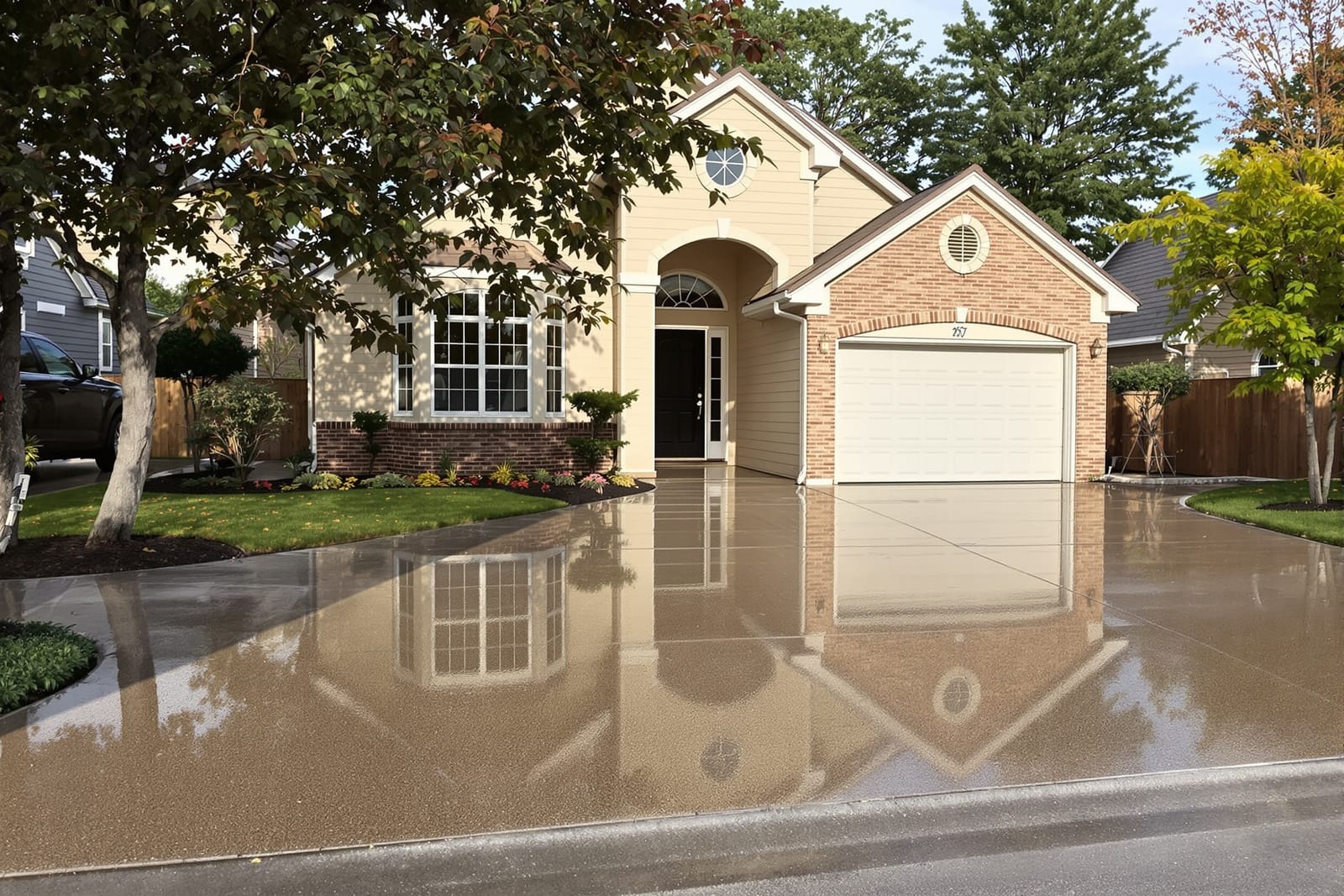
Protect your investment with professional concrete sealing in Chesapeake, VA. We clean and seal driveways, patios, and walkways to help resist stains, moisture, and surface wear. Regular maintenance keeps concrete looking fresh and can extend the life of decorative finishes.
Superior Concrete Chesapeake provides professional concrete sealing throughout Chesapeake, VA, Virginia and the surrounding area. Our licensed, insured crew delivers safe, clean, on-time work with a free estimate before anything begins. Call (757) 780-5778 or request your free quote.
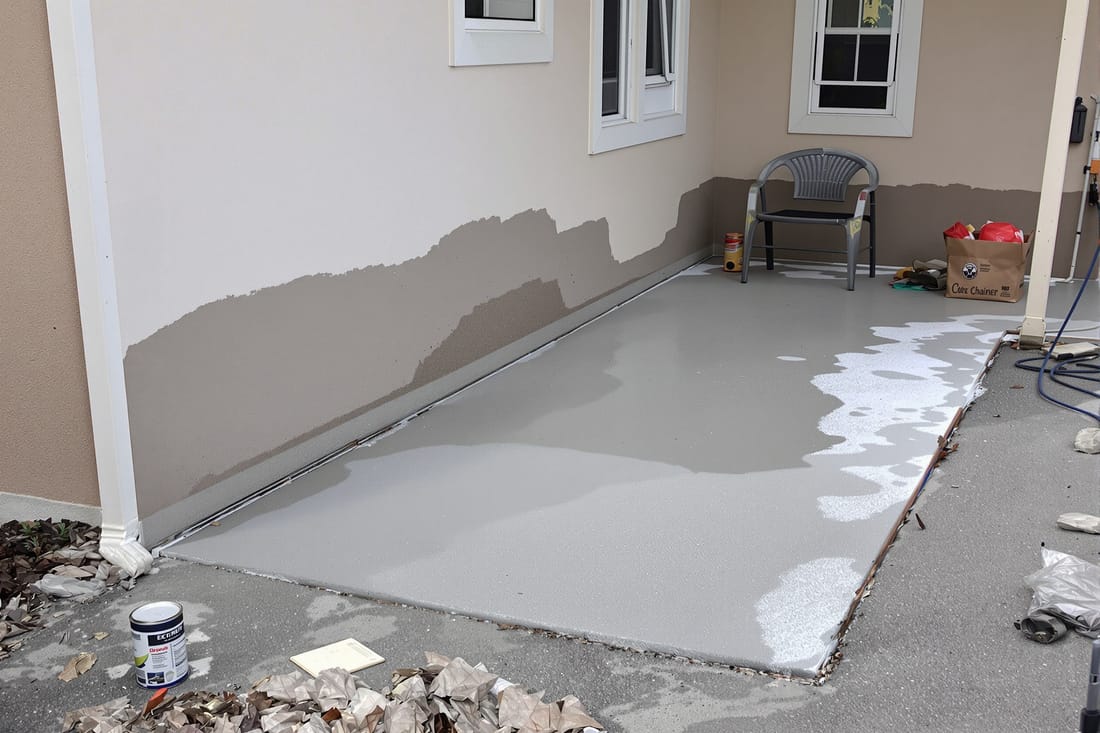
Concrete sealing for Chesapeake driveways, patios, and pool decks
If you own a home or business in Chesapeake, you already know what our weather does to concrete. Hot, humid summers, salt spray drifting in from the Elizabeth River, and the occasional winter freeze-thaw cycle will slowly chew up unprotected surfaces. That is where concrete sealing comes in. A quality sealer locks out moisture, road salt, fertilizer, and oil, so your driveway, sidewalk, or patio stays smoother and easier to clean for years.
At Superior Concrete Chesapeake, we focus on the kinds of concrete you actually see around here every day: older broom-finished driveways in neighborhoods like Greenbrier, stamped patios in newer builds around Great Bridge, and heavily used commercial walkways along Battlefield Boulevard. Each one needs a different approach. For example, a shaded, damp side walkway is more prone to mildew, so we often recommend a sealer with stronger mildew resistance. A bright, full-sun pool deck near Deep Creek benefits from a sealer with better UV stability and strong slip resistance.
Concrete sealing is not just about appearance. Unsealed concrete absorbs water, and when that water gets into fine surface cracks, Chesapeake’s occasional winter cold snaps can widen them. Over a few seasons, you may see flaking or surface scaling, especially on driveways that get de-icer salts on them. A breathable penetrating sealer reduces that absorption, so the concrete can release moisture instead of trapping it. This is particularly important on older slabs that may not have a vapor barrier underneath.
Many customers call us after they notice dark oil stains under parked vehicles, green algae around the hose bib, or chalky white deposits (efflorescence) near the garage. Sealing can help prevent these from getting worse, and in some cases, we can dramatically improve the look of current stains before we seal. We will be honest where stains are permanent and talk through realistic expectations so you are never surprised by the final result.
How Superior Concrete Chesapeake actually seals your concrete
Our process is tailored to your specific surface, but we follow a consistent sequence so you get dependable results, not guesswork.
1. Inspection and moisture check. We start by walking your property with you. We look for cracks, spalling, low spots that hold water, previous coatings, and any signs of poor drainage. On older Chesapeake homes, especially in areas with higher water tables, we may use a moisture meter to make sure the slab is not too wet to accept a sealer. If it is, we schedule sealing for a drier window.
2. Deep cleaning and stain treatment. We use a combination of degreasers, algaecides, and pressure washing at the right PSI for your surface. For broom-finished driveways, we can use a bit more pressure. For decorative stamped patios, we drop the pressure and rely more on cleaners and surface scrubbers to avoid etching the design. Oil and rust stains get spot treated separately, because if they are not addressed first, a clear sealer may lock them in.
3. Repairs before sealing. If your concrete has hairline cracks, we often fill them with a compatible crack repair material before applying sealer. Wider cracks or settled sections may need more extensive repair or replacement, and we will tell you that upfront rather than sealing over a structural problem that will come right back.
4. Choosing the right sealer. We do not use a one-size-fits-all product. For Chesapeake driveways and sidewalks, we usually recommend a penetrating silane or siloxane sealer that soaks in and leaves a mostly natural look while repelling water and chlorides from road salt. For stamped or stained patios, covered porches, and pool decks, we are more likely to use an acrylic or urethane topical sealer that can enhance color, add sheen, and include extra slip resistance. If your surface is in full sun all day, we choose products with stronger UV resistance to reduce yellowing or fading.
5. Application and curing. Weather matters here. We schedule sealing for days with moderate temperatures and no forecasted rain, because high humidity or sudden showers can cloud the finish. Our crew applies sealer with sprayers, rollers, or squeegees, depending on the product and texture. On most Chesapeake jobs, you can walk on the surface in 24 hours and drive on it after 48 to 72 hours, although heavy vehicles or trailers may require a little longer.
Throughout the process, we keep you in the loop. Before we start, we ask you to move vehicles, furniture, and grills off the concrete. After we finish, we leave you with simple written care instructions so you know exactly what to do and what to avoid during the curing period.
Concrete maintenance that keeps your sealed surfaces looking new
Sealing is only one part of the story. Simple maintenance habits can easily add several years to the life of your concrete surfaces, and most of them are inexpensive and quick.
For residential driveways in Chesapeake, we suggest a light rinse every few weeks during pollen season to keep yellow buildup from sticking to the sealer. Twice a year, usually in spring and fall, a more thorough cleaning with a mild concrete cleaner and a stiff broom or low-pressure rinse keeps dirt, leaf tannins, and mildew from settling into the surface. In shady areas or near landscaping beds, where moisture hangs around longer, we may recommend a cleaner with an added mildewcide.
Be cautious with de-icing products. Our winters are usually mild, but we do get occasional icy mornings. Rock salt and many ice-melt products can be tough on concrete, even if it is sealed. We advise using sand or a concrete-safe de-icer labeled as such, and rinsing the area when temperatures rise again. If your vehicles track salt from the roads onto the driveway, an early spring rinse and cleaning helps protect both the sealer and the slab.
For sealed patios and decorative concrete, especially around pools in neighborhoods like Hickory and Great Bridge, furniture pads under chair and table legs help prevent scuffing or scratching the sealer. Avoid dragging heavy planters or metal objects across the surface. If you use a pressure washer, keep the tip moving and the pressure moderated so you do not strip or etch the sealed layer.
In commercial settings around Chesapeake, such as storefront walks or restaurant patios, foot traffic and power washing are more frequent. We typically recommend a more robust maintenance schedule that includes periodic inspections, quick touch-ups to high-wear areas, and re-application of sealer on a slightly shorter cycle. Our team can set up a maintenance plan that fits your operation so you are not scrambling to address worn or slippery spots at the last minute.
What affects the cost of concrete sealing in Chesapeake
Customers often ask why two similar-sized driveways can have different sealing prices. The answer usually comes down to condition, access, and product choice rather than just square footage.
Condition of the concrete is the biggest factor. A relatively clean, lightly stained driveway in a newer subdivision may only need modest prep, which keeps labor time down. An older driveway in an established area like Indian River, with heavy oil stains, algae, and existing peeling sealer, requires additional cleaners, more careful pressure washing, and possibly stripping. That extra effort adds to the cost, but it also determines whether the new sealer actually performs as intended.
Texture and decorative features matter too. Plain broom-finished concrete is faster to prep and seal than highly detailed stamped patterns or exposed aggregate surfaces. Stamped patios around pools or outdoor kitchens often have borders, saw-cut designs, or multiple colors, which may need a different type or thickness of sealer. Those decorative elements cost more to install initially, and they also take a bit more time and product to protect correctly.
Accessibility can influence pricing. Wide, open driveways with easy hose and equipment access are straightforward. Courtyards set deep behind townhomes, tight side yards, or back patios reached only through gates and narrow paths may require more hand work, smaller equipment, and additional time. In some Chesapeake neighborhoods with limited street parking, we also have to plan for staging equipment and materials without blocking neighbors, which we factor into scheduling.
Product selection is another driver. Penetrating sealers that leave a natural finish are usually more cost effective. High-performance decorative sealers with color enhancement, gloss, and high slip resistance cost more per gallon, and they are often applied in multiple coats with longer labor time. If you want a wet-look finish on a stamped patio, for instance, expect a slightly higher price than for a clear, natural-look driveway sealer.
Before we start any project, Superior Concrete Chesapeake provides a detailed written estimate that explains the recommended products, prep steps, and expected lifespan of the sealer under normal Chesapeake conditions. That way, you can compare apples to apples if you gather multiple quotes, instead of picking the lowest number without knowing what is included or what corners might be cut.
How often to reseal and what to know before hiring a sealer
A common question we hear from Chesapeake homeowners is, "How often should I reseal my concrete?" For most driveways with a quality penetrating sealer, we suggest every 3 to 5 years, depending on sun exposure, traffic, and how well the surface is maintained. For decorative stamped patios and pool decks that use topical sealers, you may be looking at 2 to 3 years between coats, especially in full sun or in areas where pool chemicals are present.
There are some simple signs that your concrete is ready for resealing. Water should bead up on the surface when you spray it with a hose. If the water quickly darkens the concrete instead, the sealer is likely wearing off. You may also notice that stains soak in faster than they used to, or that color on stamped concrete looks dull, chalky, or patchy. If you see any of these, a site visit from Superior Concrete Chesapeake can confirm whether resealing is appropriate or if additional repairs are needed first.
Before you hire any contractor for concrete sealing, there are a few important questions to ask. First, find out exactly what type of sealer they plan to use and why. Some products from big box stores are not designed for our coastal Virginia climate, and they can peel or turn cloudy within a year. Ask how they will prepare your specific surface, what they will do about existing stains or old sealer, and how long they recommend waiting before using the area again.
It is also wise to ask about insurance, references, and local experience. A contractor who regularly works in Chesapeake understands the impact of our humidity, shade patterns from large trees, and issues like stormwater runoff across driveways. At Superior Concrete Chesapeake, we are happy to walk you through past jobs that are similar to yours and explain what we learned from them.
Finally, be cautious of anyone offering a very quick in-and-out sealing job with little cleaning or prep at a rock-bottom price. Improperly applied sealer can trap moisture, become slippery when wet, or peel in sheets. Fixing those problems later often costs more than doing the work correctly the first time. A careful, thorough approach and good communication upfront will give you a safer, longer lasting surface that actually protects your concrete investment.